The Science of Strength: How Personalized Training Boosts Longevity


The Power of Personalized Training
In recent years, personalized training programs have gained traction, not just among athletes but also among individuals looking to enhance their quality of life. The science behind this approach is compelling, as personalized training can significantly impact both physical strength and overall longevity. By tailoring workouts to individual needs, people can achieve their fitness goals more efficiently while also promoting long-term health benefits.
One of the primary reasons personalized training is so effective is its focus on specific goals and unique physical conditions. Unlike generic workout plans, personalized programs consider an individual's age, fitness level, and any pre-existing health conditions. This customization ensures that the exercises are both safe and effective, minimizing the risk of injury and maximizing results.

Understanding the Science of Strength
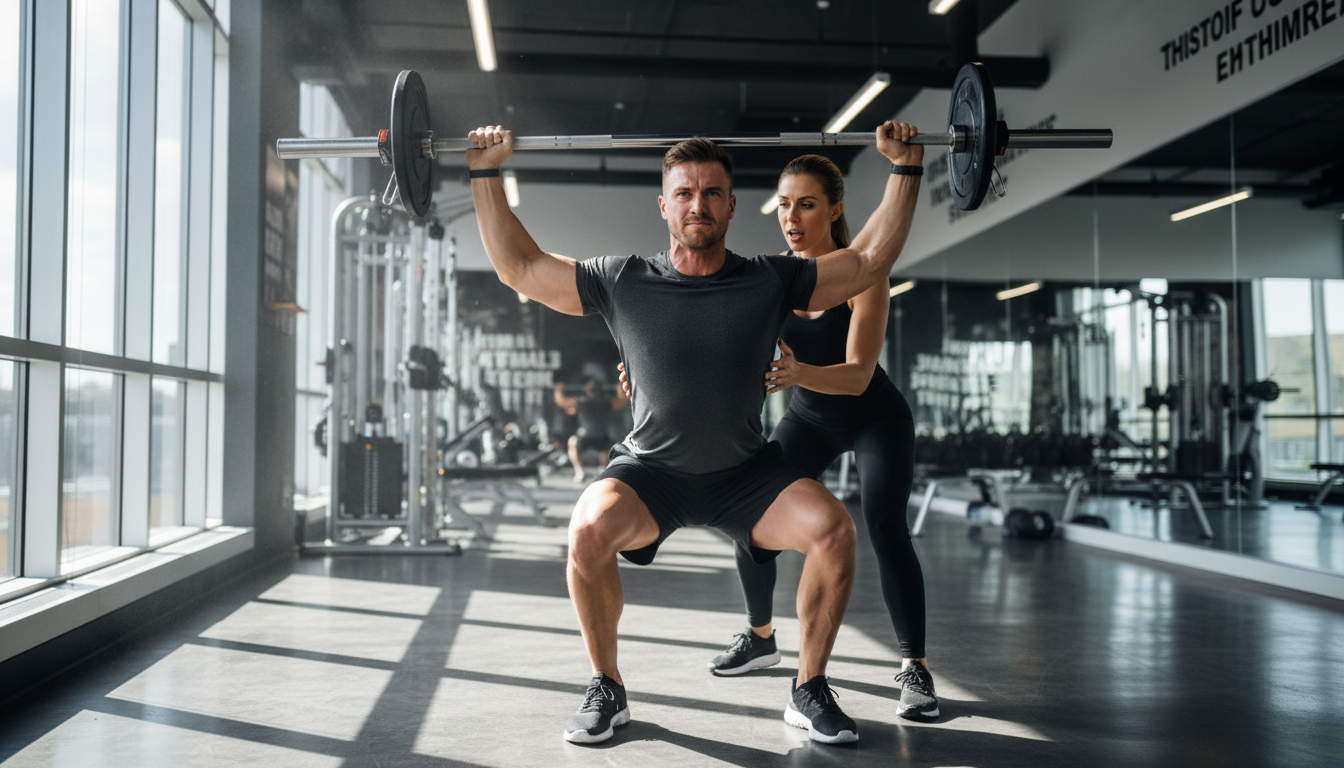
Strength training is a cornerstone of personalized fitness programs and has been shown to have profound effects on longevity. When muscles are subjected to resistance, they undergo microscopic damage, which is then repaired by the body, leading to stronger and more resilient muscles. This process not only improves physical strength but also boosts metabolic rate, bone density, and overall energy levels.
Moreover, strength training has been linked to a reduction in the risk of chronic diseases such as diabetes, cardiovascular disease, and osteoporosis. By integrating strength exercises into a personalized routine, individuals can enhance their body's resilience against these common ailments, contributing to a longer, healthier life.
The Role of Technology in Personalized Training
Advancements in technology have made personalized training more accessible than ever. Wearable fitness trackers, mobile apps, and online coaching platforms allow for real-time monitoring and adjustments to workout plans. These tools provide invaluable data, helping tailor exercises to meet specific health metrics and performance goals.
For example, heart rate monitors can track cardiovascular health during workouts, ensuring that individuals are training within their optimal heart rate zones. Similarly, apps that track nutrition and recovery times can offer insights into how lifestyle choices affect physical performance and recovery.

Creating a Sustainable Fitness Lifestyle
The key to longevity through personalized training is consistency. By developing a routine that aligns with one's lifestyle and preferences, individuals are more likely to stick with their fitness plans. Incorporating a variety of exercises not only prevents boredom but also ensures a well-rounded approach to fitness, addressing all aspects of physical health.
Here are some tips for maintaining a sustainable fitness routine:
- Set realistic, achievable goals.
- Incorporate a mix of strength, cardio, and flexibility exercises.
- Listen to your body and adjust as needed.
- Monitor progress and celebrate milestones.
The Long-Term Benefits of Personalized Training
The benefits of personalized training extend beyond physical health. Engaging in a routine that is tailored to individual needs can also have positive effects on mental well-being. Exercise is known to release endorphins, which improve mood and reduce stress levels. A personalized approach ensures that workouts remain motivating and enjoyable, further enhancing mental health.
Ultimately, investing in a personalized training program is an investment in long-term health. With the science of strength as a guiding principle, individuals can enhance their physical capabilities, prevent disease, and enjoy a longer, more fulfilling life.