The Science Behind Strength: Building a Resilient Body at Any Age


The Importance of Strength Training
Strength training is often associated with bodybuilders and athletes, but it’s a crucial component of fitness for everyone, regardless of age. Building a resilient body is not just about aesthetics; it's about enhancing overall health and functionality. As we age, maintaining muscle mass becomes vital for daily activities, metabolic health, and reducing the risk of chronic diseases.
The benefits of strength training are multifaceted. It improves bone density, which is essential for preventing osteoporosis. Additionally, it enhances metabolic rate, aiding in weight management and reducing the risk of obesity-related conditions. Strength training also plays a role in improving mental health by reducing symptoms of anxiety and depression.

Understanding Muscle Growth
Muscle growth, or hypertrophy, occurs when muscle fibers are subjected to stress, such as resistance training. This stress causes small tears in the muscle fibers, which the body repairs, making them stronger and larger. The process of muscle repair and growth is influenced by factors such as nutrition, rest, and the type of training performed.
Protein intake is essential for muscle repair. Consuming adequate protein before and after workouts can significantly enhance muscle recovery and growth. Moreover, sleep is crucial for muscle recovery, as it is during this time that most muscle repair occurs. Ensuring at least 7-9 hours of quality sleep can substantially benefit muscle development.

Strength Training at Any Age
One of the remarkable aspects of strength training is its adaptability to any age group. Whether you are in your 20s or 70s, strength training can be tailored to meet individual needs and capabilities. For younger individuals, it is an excellent way to build a strong foundation for future fitness pursuits.
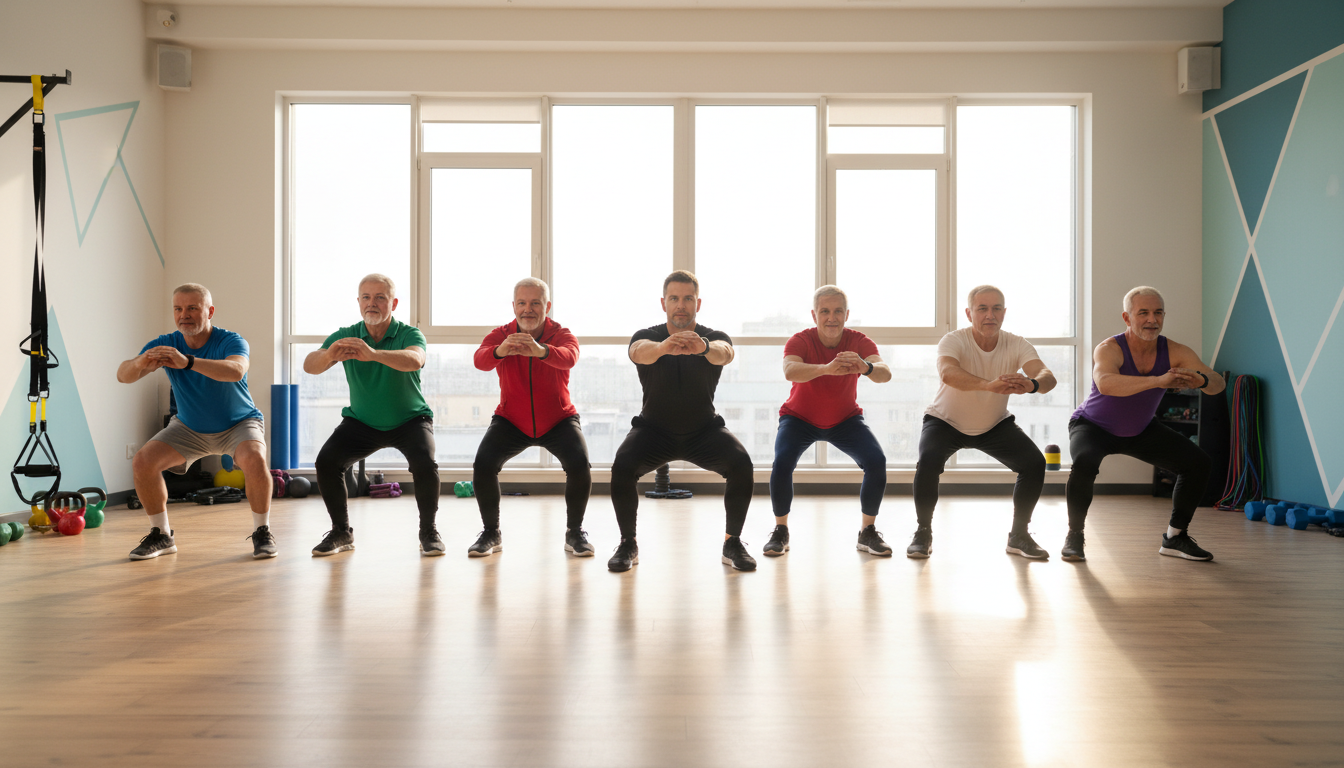
For older adults, strength training is crucial for maintaining muscle mass, balance, and coordination. It can help in reducing the risk of falls, a common issue among the elderly. Starting with bodyweight exercises and gradually incorporating resistance bands or light weights can be an effective approach for beginners.
Designing a Balanced Routine
A well-rounded strength training routine should target all major muscle groups, including the legs, back, chest, arms, and core. This can be achieved through a combination of compound exercises such as squats, deadlifts, and push-ups, which engage multiple muscle groups at once.
Here is a simple guideline to create a balanced routine:
- Start with a warm-up: 5-10 minutes of light cardio to increase blood flow.
- Perform 2-3 sets of 8-12 repetitions of each exercise.
- Include rest days to allow for muscle recovery.
Listening to Your Body
When engaging in strength training, it's vital to listen to your body and avoid overtraining. Pain is a signal that something might be wrong, so it's crucial to differentiate between muscle soreness and pain that indicates injury. Ensuring proper form and technique can prevent unnecessary strain and injuries.
Additionally, incorporating flexibility and mobility exercises can enhance performance and reduce the risk of injury. Practices such as yoga or Pilates are excellent complements to strength training, promoting overall body resilience.

Conclusion: Embrace the Journey
Building a resilient body through strength training is a lifelong journey that offers invaluable benefits at any age. By understanding the science behind muscle growth and the importance of a balanced routine, you can create a sustainable fitness regimen that enhances both physical and mental well-being.
Remember, it’s never too late to start. Embrace the transformative power of strength training and enjoy the journey to a healthier, stronger you.