The Role of Nutrition in Body Transformation Programs


The Importance of Nutrition in Achieving Body Transformation
When embarking on a body transformation journey, many focus on exercise, forgetting that nutrition plays a crucial role in achieving desired results. A well-balanced diet not only supports muscle growth but also aids in fat loss, energy levels, and overall health.

Understanding Macronutrients
Macronutrients—proteins, carbohydrates, and fats—are the primary components of our diet. Each plays a distinct role in body transformation:
- Proteins: Essential for muscle repair and growth. Consuming adequate protein helps in building lean muscle mass.
- Carbohydrates: Provide the energy needed for workouts and daily activities. They fuel your performance and recovery.
- Fats: Necessary for hormone production and overall health. Healthy fats support brain function and reduce inflammation.
Balancing these macronutrients according to your goals is key to a successful transformation.
The Role of Micronutrients
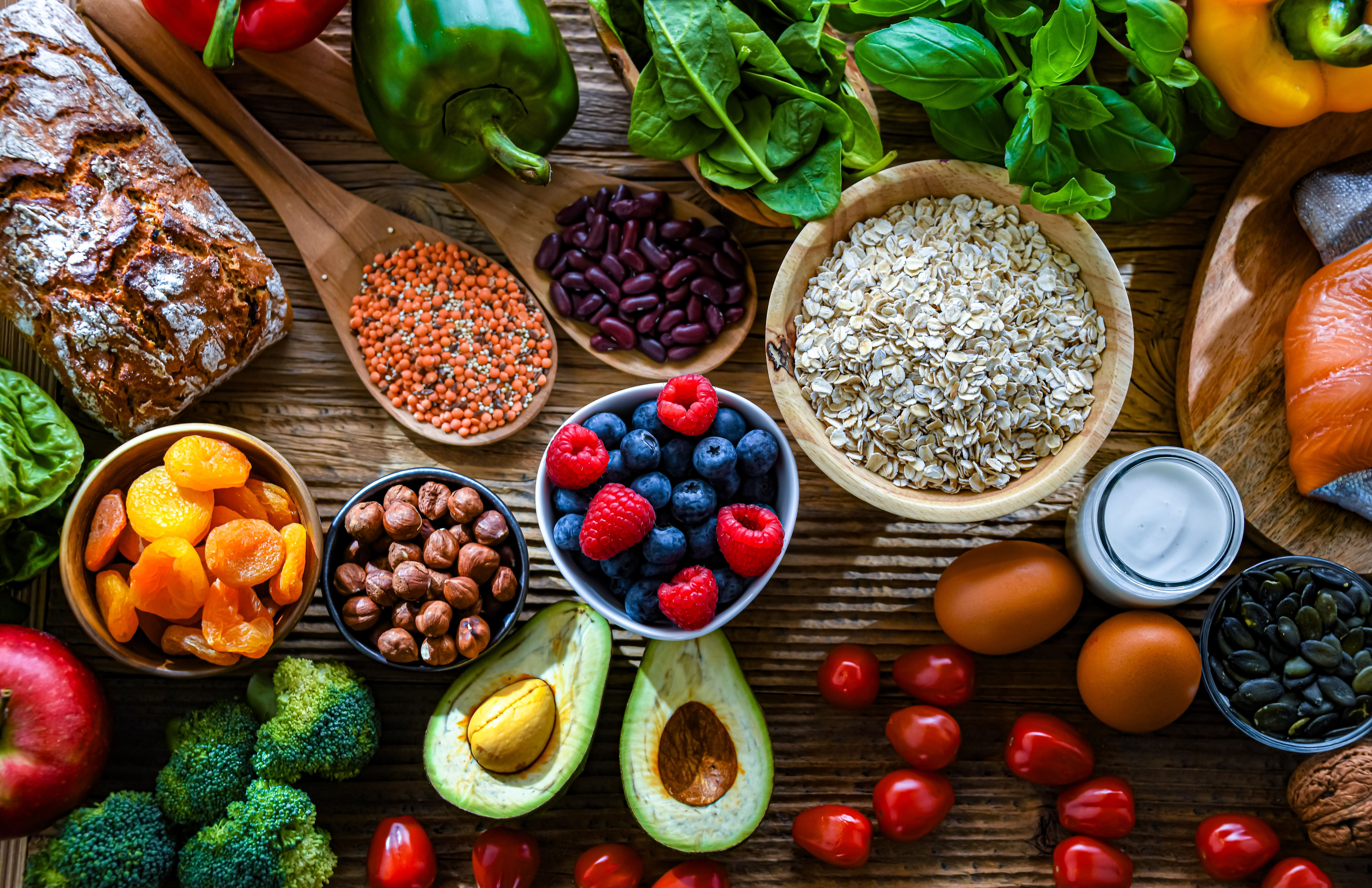
While macronutrients are crucial, micronutrients—vitamins and minerals—play a supportive role in body transformation. They enhance immune function, improve bone health, and facilitate energy production. Ensuring a diet rich in fruits, vegetables, nuts, and seeds can provide the necessary micronutrients for optimal body function.
Hydration and Its Impact
Water is often overlooked but is a vital part of a nutrition plan. Staying hydrated aids in digestion, nutrient absorption, and temperature regulation. Proper hydration can enhance workout performance and recovery, making it a cornerstone of any transformation program.
Aim to drink at least eight glasses of water a day and adjust based on activity level and climate.
Meal Timing and Frequency
When you eat can be as important as what you eat. Strategic meal timing can help regulate metabolism and energy levels. Some prefer multiple small meals throughout the day, while others opt for larger, less frequent meals. The key is to find what works best for your body and lifestyle.

Creating a Sustainable Nutrition Plan
For long-term success, your nutrition plan should be sustainable and tailored to your individual needs. This means considering your fitness goals, dietary preferences, and lifestyle. Consulting with a nutritionist or dietitian can provide personalized guidance and support.
Remember, the aim is to create a healthy relationship with food that promotes both physical and mental well-being.
Conclusion
Incorporating proper nutrition into your body transformation program is not just about counting calories or restricting foods. It's about understanding your body's needs and fueling it with the right nutrients. With a balanced approach, nutrition can significantly enhance your transformation journey, leading to lasting results and improved overall health.