The Latest Fitness Trends: What’s Shaping the Future of Health and Strength


The Rise of Wearable Technology
One of the most significant trends reshaping the fitness landscape is the rise of wearable technology. Devices like smartwatches and fitness trackers are no longer just accessories; they are essential tools for monitoring health metrics. These gadgets offer insights into heart rate, sleep patterns, and even stress levels, empowering users to make informed decisions about their health.

Why Wearables Matter
The popularity of wearables is driven by their ability to provide real-time feedback. This instant data encourages users to stay active and meet their fitness goals. Moreover, many of these devices can sync with smartphones, allowing for a seamless integration into daily routines.
Virtual Fitness Classes
With the shift towards remote lifestyles, virtual fitness classes have surged in popularity. Platforms offering yoga, pilates, and high-intensity interval training (HIIT) sessions are accessible from the comfort of your home. This trend makes fitness more inclusive, catering to diverse schedules and preferences.
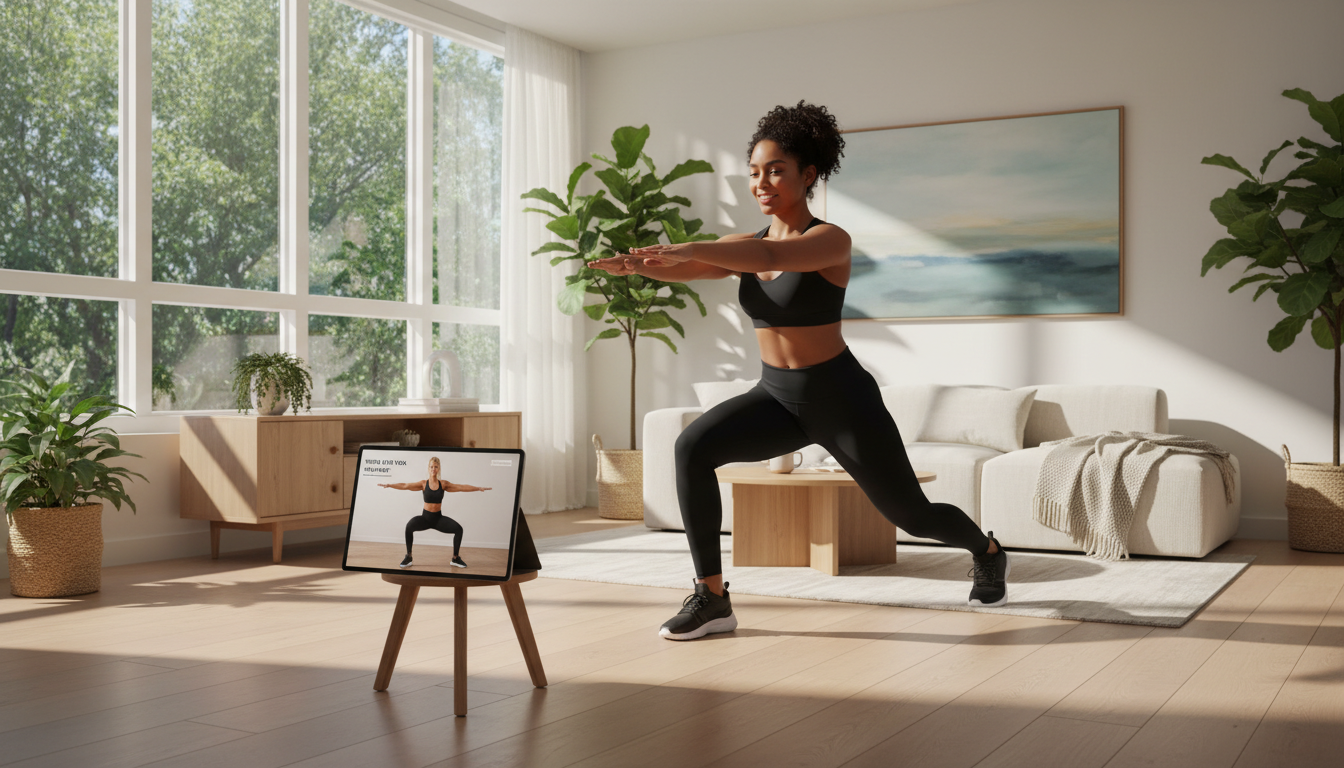
The Benefits of Going Virtual
Virtual classes provide flexibility, eliminating the need for commuting and enabling workouts at any time of the day. Additionally, they offer a wide range of choices, from beginner to advanced levels, ensuring everyone can find a suitable workout.
Functional Fitness
Functional fitness focuses on exercises that mimic everyday activities. This approach emphasizes building strength, balance, and endurance through movements that improve overall quality of life. It’s gaining traction among those who want practical strength rather than just aesthetic results.
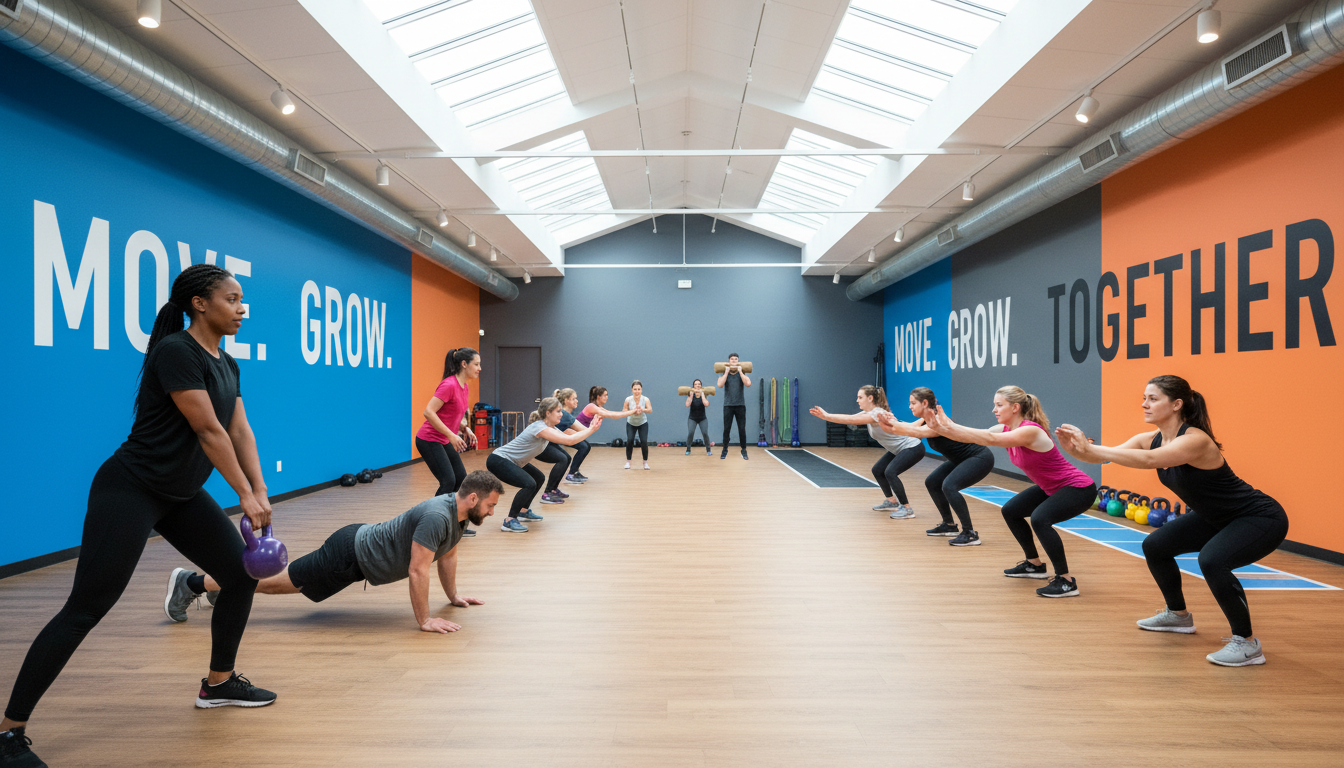
Core Components of Functional Fitness
Functional fitness routines often include exercises like squats, lunges, and push-ups. These movements enhance core stability and coordination, making daily tasks easier and reducing the risk of injury.
Mind-Body Connection
Another emerging trend is the emphasis on the mind-body connection. Practices like yoga and tai chi are increasingly popular, promoting mental well-being alongside physical fitness. This holistic approach helps in managing stress and improving overall life satisfaction.

Integrating Mindfulness
Incorporating mindfulness into fitness routines has numerous benefits, such as enhanced concentration, reduced anxiety, and improved emotional health. This integration is becoming a staple in fitness programs worldwide.
Personalized Fitness Plans
As technology advances, personalized fitness plans are becoming more accessible. Utilizing data from wearables and health apps, trainers can tailor workouts to individual needs. This customization ensures more effective and efficient training, catering to specific goals and limitations.
Advantages of Personalization
Personalized plans help in tracking progress more accurately and can motivate individuals by highlighting improvements. This bespoke approach also minimizes the risk of injury by considering each person’s unique physical condition.