Science-Based Strength Training: Breaking Down Popular Diets for Weight Loss


The Importance of Science-Based Strength Training
Strength training is a cornerstone of fitness, offering numerous health benefits, including improved muscle mass, enhanced bone density, and increased metabolism. When combined with a proper diet, it becomes even more effective for weight loss. Understanding how different diets complement strength training can help you achieve your fitness goals more efficiently.

The Role of Diet in Weight Loss
Diet plays a crucial role in weight loss, as it directly influences your calorie intake and nutrition. While strength training boosts your metabolism, the right diet ensures your body receives the necessary nutrients to build and repair muscles. Let's explore some popular diets and how they align with strength training.
Keto Diet
The keto diet focuses on high-fat, low-carbohydrate intake, forcing the body to use fat as its primary energy source. This can be beneficial for weight loss but may require adjustments for those engaging in intense strength training. Ensuring adequate protein intake is essential to prevent muscle loss.

Intermittent Fasting
Intermittent fasting involves cycling between periods of eating and fasting, which can help reduce calorie intake and promote fat loss. When paired with strength training, it’s important to time your workouts and meals to optimize energy levels and muscle recovery. Consider scheduling strength sessions during eating windows for best results.
Paleo Diet
The paleo diet emphasizes whole foods, lean proteins, and healthy fats while avoiding processed foods. This diet supports muscle growth and repair, making it a good match for strength training enthusiasts. However, it’s crucial to monitor your carb intake to ensure you have enough energy for your workouts.
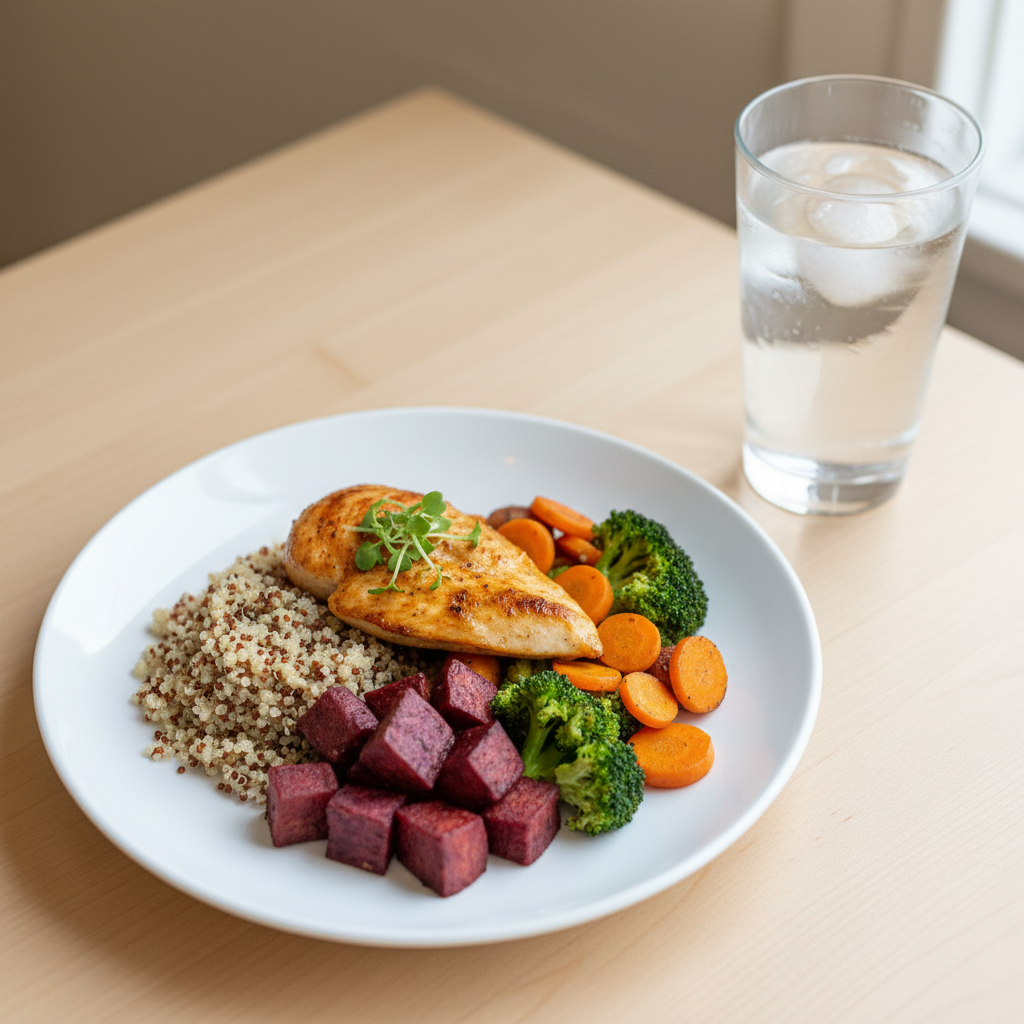
Plant-Based Diet
A plant-based diet focuses on fruits, vegetables, legumes, and whole grains. It can support weight loss and muscle gain if well-planned. Pay attention to protein sources such as beans, lentils, tofu, and quinoa to maintain muscle mass during strength training.
Balancing Diet and Exercise
To maximize the benefits of strength training and weight loss, balance is key. Here are some tips:
- Ensure adequate protein intake to support muscle repair.
- Stay hydrated to improve performance and recovery.
- Monitor calorie intake to maintain a deficit for weight loss.

Conclusion
Choosing the right diet to complement your strength training routine can significantly enhance your weight loss efforts. Whether you opt for keto, intermittent fasting, paleo, or a plant-based diet, understanding their principles and aligning them with your training goals will help you achieve optimal results. Always consult with a nutritionist or fitness expert to tailor your approach to your individual needs.