Building Strength Safely: A Beginner's Guide to Lifting


Understanding the Basics
Building strength through lifting is an empowering journey that can enhance both your physical and mental well-being. As a beginner, it's crucial to establish a solid foundation to ensure safety and maximize results. This guide will provide you with essential tips to start lifting safely and effectively.
Before diving into any lifting routine, it's important to understand the basic principles of strength training. Begin with exercises that target major muscle groups, and gradually increase the intensity as your strength improves. Remember, consistency is key to long-term success.

Setting Realistic Goals
One of the first steps in your lifting journey is to set realistic and achievable goals. Determine what you want to accomplish, whether it's building muscle, increasing endurance, or improving overall fitness. Setting SMART goals—Specific, Measurable, Achievable, Relevant, and Time-bound—will keep you focused and motivated.
It's also important to track your progress. Keeping a workout journal or using fitness apps can help monitor improvements and identify areas that may need adjustment. Celebrate small victories to maintain motivation over time.
Choosing the Right Equipment
Selecting the appropriate equipment is vital for safe and effective lifting. As a beginner, start with basic equipment like dumbbells, resistance bands, and kettlebells. These tools are versatile and can be used to perform a variety of exercises.
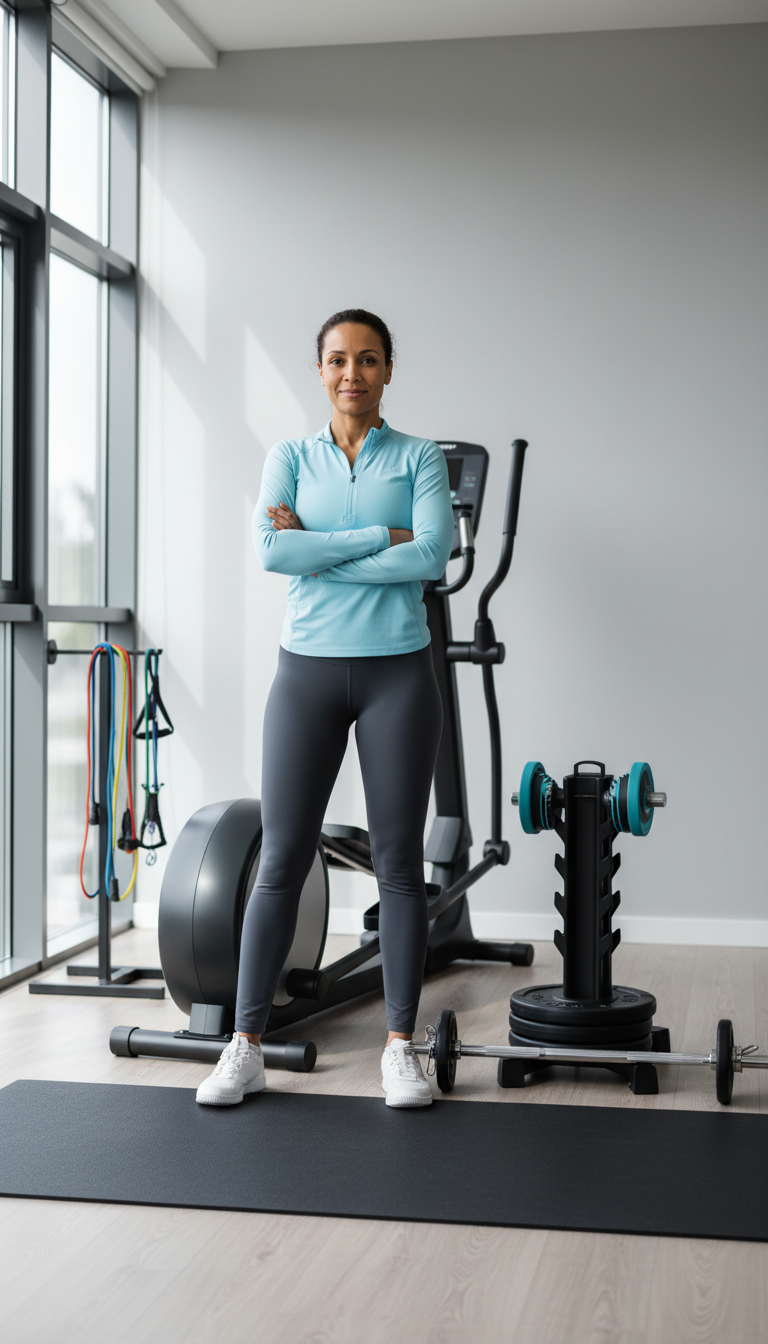
When you're ready to advance, consider investing in a barbell and weight plates. Ensure that you're familiar with each piece of equipment and how it functions. Proper handling reduces the risk of injury and enhances workout efficacy.
Mastering Proper Form
Using the correct form is one of the most important aspects of lifting safely. Improper technique can lead to injuries and hinder progress. Focus on mastering the form of each exercise before increasing weight or intensity. Consider working with a personal trainer or watching instructional videos to perfect your technique.
- Start with a warm-up to increase blood flow to your muscles.
- Focus on controlled movements and avoid using momentum.
- Keep your core engaged to support your spine.

Listening to Your Body
Listening to your body is crucial when building strength. Pay attention to how your body responds to different exercises and adjust your routine accordingly. Rest is just as important as the workout itself, giving your muscles time to recover and grow stronger.
If you experience pain, stop immediately and assess your form. Persistent pain may require consulting a healthcare professional to prevent further injury. Always prioritize safety over pushing through discomfort.
Progressing Safely
As you become more comfortable with lifting, you can begin to increase the weight and intensity of your workouts. Follow the principle of progressive overload by gradually challenging your muscles with heavier weights or more repetitions.
Ensure you incorporate recovery days into your routine. This allows your muscles to repair and adapt, ultimately leading to improved strength and performance. Balance intensity with rest to achieve the best results.