Navigating Nutrition: How to Fuel Your Strength Journey


Understanding Your Nutritional Needs
Embarking on a strength journey requires more than just dedication in the gym; it demands a keen focus on nutrition. Understanding your body's nutritional needs is the first step to optimizing performance and achieving your goals. Your body requires a balance of macronutrients—proteins, carbohydrates, and fats—to function efficiently.
Each macronutrient plays a distinct role: proteins are essential for muscle repair and growth, carbohydrates provide the energy needed for intense workouts, and fats help maintain hormonal balance and support overall health.

The Role of Protein in Muscle Building
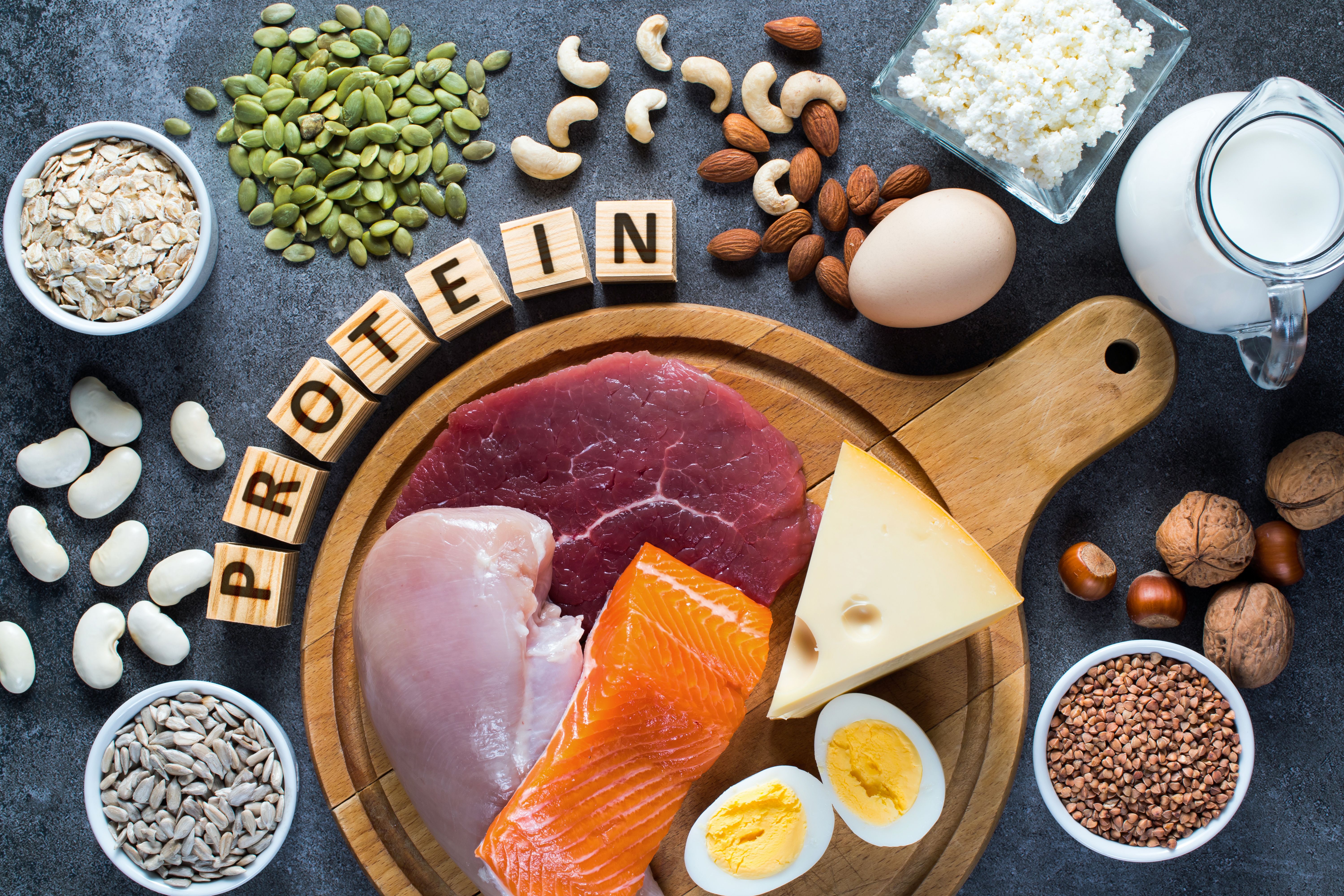
Protein is often hailed as the cornerstone of muscle building. It's important to consume enough protein to support muscle repair after strength training. Including sources like lean meats, eggs, dairy, and plant-based proteins such as beans and lentils can help meet your daily protein requirements.
For those engaged in intense strength training, aim for a daily intake of about 1.2 to 2.0 grams of protein per kilogram of body weight. This range supports muscle synthesis and recovery, ensuring you get the most out of your workouts.
Carbohydrates: Fueling Your Workouts
Carbohydrates are your body's primary energy source. They are crucial for fueling your workouts and supporting recovery. Focus on incorporating complex carbohydrates like whole grains, fruits, and vegetables into your diet. These provide sustained energy and essential nutrients.
Timing your carbohydrate intake can also enhance performance. Consuming carbs before and after workouts helps replenish glycogen stores, giving you the stamina needed for high-intensity sessions and aiding in recovery.

The Importance of Healthy Fats
While often misunderstood, fats are an essential part of a balanced diet, especially for those on a strength journey. Healthy fats found in avocados, nuts, seeds, and oily fish contribute to hormone production, which is vital for muscle growth and recovery.
Incorporate moderate amounts of healthy fats into your meals to support not just your strength goals but overall health. Remember, fats are calorie-dense, so portion control is key.
Hydration: The Often Overlooked Factor
Staying hydrated is crucial for optimal performance and recovery. Water aids in nutrient transportation, temperature regulation, and joint lubrication, all of which are essential during intense workouts.
Aim to drink at least 2-3 liters of water daily, adjusting for factors like exercise intensity and climate. Supplementing with electrolytes can also be beneficial, especially after sweaty sessions.

Supplementing Wisely
While whole foods should be your primary source of nutrition, supplements can be a helpful addition. Protein powders, creatine, and branched-chain amino acids (BCAAs) are popular among strength athletes for supporting muscle growth and recovery.
Always consult with a healthcare professional before adding supplements to your routine to ensure they align with your health goals and needs.

Crafting Your Meal Plan
Developing a meal plan tailored to your strength journey can help you stay on track. Begin by determining your daily caloric needs and macronutrient ratios based on your activity level and goals.
- Plan meals ahead of time to avoid unhealthy choices.
- Incorporate a variety of foods to prevent nutrient deficiencies.
- Adjust portion sizes based on progress and energy levels.
With a strategic approach, you can fuel your body efficiently, supporting both your short-term performance and long-term health.