Building Resilience: Transform Your Body and Mind


Understanding Resilience
Resilience is the ability to adapt and thrive despite facing adversity, challenges, or stress. It is a crucial skill that empowers individuals to bounce back from setbacks and maintain a positive outlook. Building resilience involves fostering both physical and mental strength to navigate life's ups and downs effectively.

Physical Resilience: Strengthening the Body
Physical resilience is about enhancing your body's ability to handle stress, recover quickly from injuries, and maintain overall health. Regular exercise, balanced nutrition, and adequate sleep are fundamental components. Engaging in activities like cardio, strength training, and flexibility exercises can significantly boost your physical resilience.
Consistency is key. Establishing a routine that includes a mix of activities helps in maintaining physical health. Additionally, ensuring a balanced diet rich in vitamins and minerals supports your body's resilience. Aim for a diet that includes a variety of fruits, vegetables, lean proteins, and whole grains.
Mental Resilience: Cultivating a Strong Mind
Mental resilience involves developing a mindset that can withstand emotional and psychological stress. Practices such as mindfulness, meditation, and journaling are effective ways to build mental strength. These activities promote self-awareness, allowing you to better manage your reactions to challenging situations.

Another crucial aspect of mental resilience is maintaining a positive attitude. Embracing optimism doesn't mean ignoring life's difficulties but rather approaching them with a solution-focused mindset. Surrounding yourself with supportive relationships can also enhance your mental resilience, providing encouragement and perspective when needed.
Emotional Regulation and Resilience
Emotional regulation is the ability to manage and respond to emotional experiences effectively. It plays a vital role in resilience, as it helps you maintain composure and clarity during stressful times. Techniques such as deep breathing, visualization, and progressive muscle relaxation can assist in regulating emotions.
- Deep breathing helps calm the nervous system.
- Visualization allows you to mentally rehearse positive outcomes.
- Progressive muscle relaxation reduces physical tension.

Building a Resilient Lifestyle
Creating a lifestyle that supports resilience involves integrating healthy habits into your daily routine. This includes setting boundaries to avoid burnout, practicing gratitude to appreciate positive aspects of life, and pursuing hobbies that bring joy and relaxation. These practices contribute to a balanced, fulfilling life.
Another important factor is adaptability. Being open to change and willing to adjust your plans can enhance your resilience. Life is unpredictable, and flexibility allows you to navigate changes more smoothly, minimizing stress and maximizing growth opportunities.
The Role of Community in Resilience
Community plays a significant role in building resilience. Being part of a supportive network provides a sense of belonging and access to resources during challenging times. Whether it's family, friends, or local groups, connecting with others can offer emotional support and practical assistance.
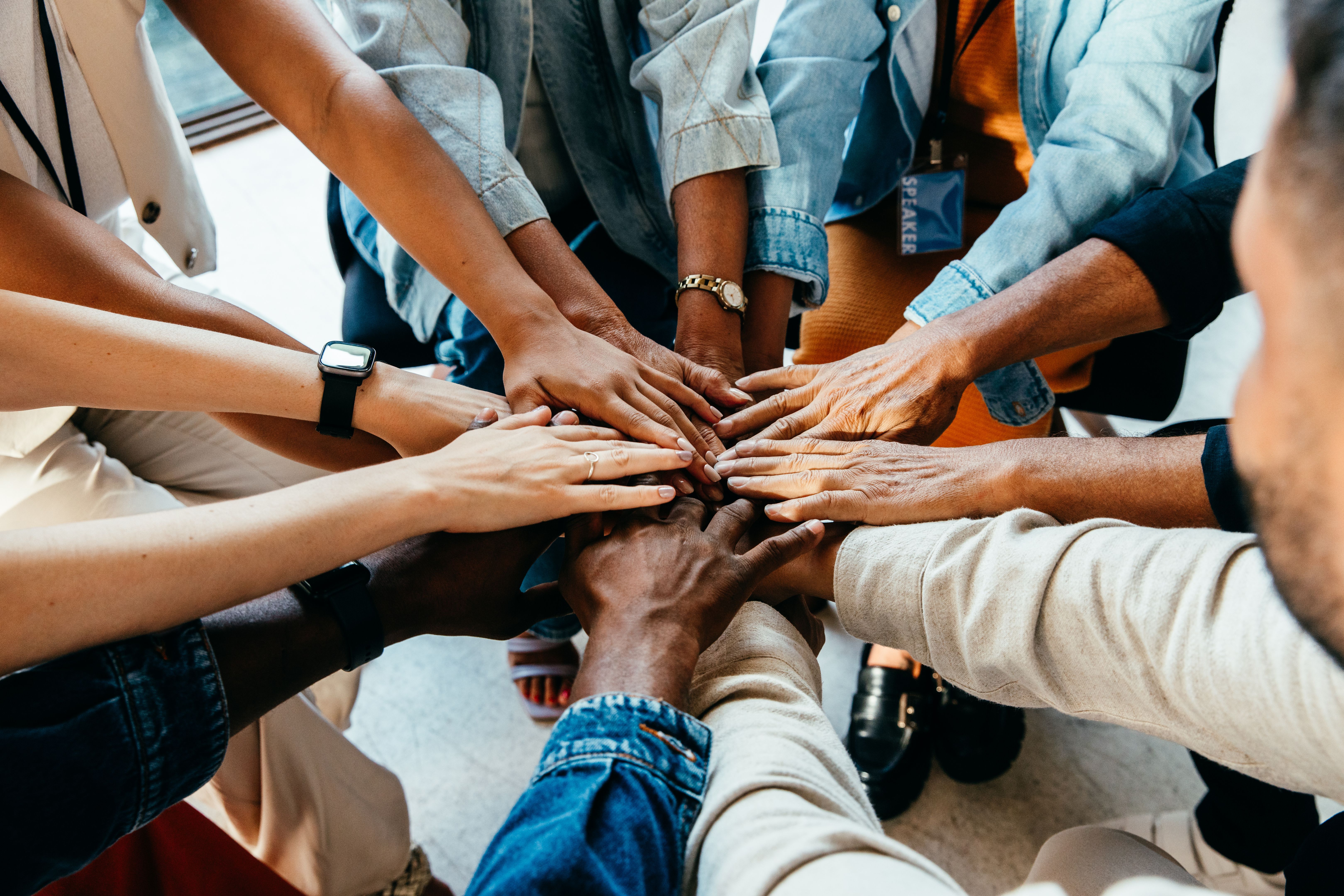
Engaging with your community not only helps you but also allows you to contribute, creating a cycle of support. Volunteering, participating in group activities, and sharing experiences can strengthen communal bonds and enhance collective resilience.
Conclusion: Embrace the Journey
Building resilience is a continuous journey that requires dedication and practice. By focusing on strengthening both your body and mind, you can develop the capacity to face life's challenges with confidence and grace. Remember, resilience is not about avoiding difficulties but navigating them with strength and determination.